June 24, 2026
Hardness in home plumbing creates scaling and spotting. Homeowners seek remedies to protect appliances from mineral buildup. Dissolved calcium and magnesium create these nuisance issues. People hear conflicting stories about treatment methods. Misinformation spreads through neighborhoods and forums. Homeowners become confused about options. They hesitate to install conditioning units due to false claims. Clarity brings peace of mind for property owners seeking better plumbing flow. Filtering facts from fiction provides clarity. The truth about ion exchange dispels common fears.
Addressing misconceptions helps homeowners make informed decisions. A water softener removes hardness ions through ion exchange. This process involves resin beads and a brine solution. Neighbors share tales of salty taps or wasted resources. These statements stem from outdated technology. Modern conditioning systems operate with maximum efficiency. Investigating the science behind the treatment process reveals the truth. Dispelling myths ensures property owners select the right equipment. Knowledge protects plumbing infrastructure.
Myth: Systems Create Salty-Tasting Taps
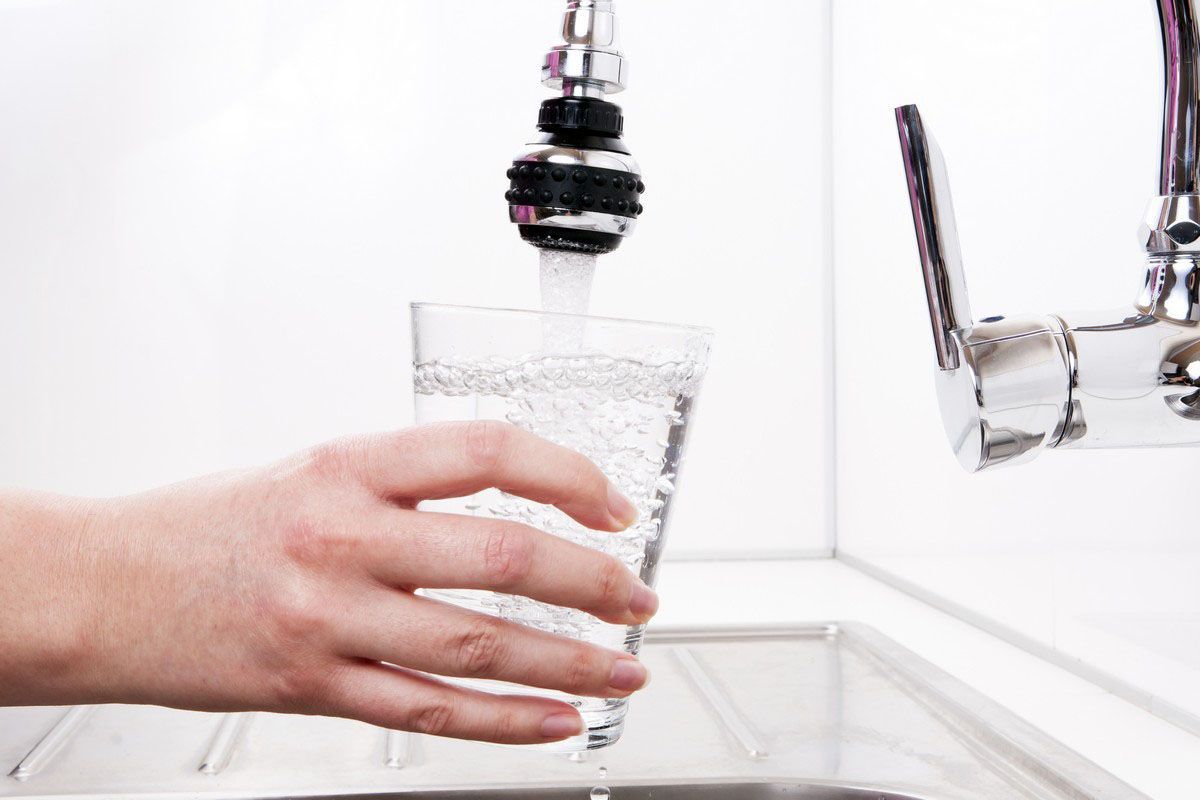
People assume the ion exchange process leaves sodium in the taps. They picture pouring table salt into a glass. The brine tank contains salt pellets for regeneration purposes. The media bed uses this brine to recharge resin beads. The system flushes excess brine down the drain before returning to service. Taps do not dispense salty brine. The process leaves negligible sodium amounts in the pipes. Drinking from conditioned plumbing provides refreshing hydration. The cleaning solution avoids the distribution network.
The sodium amount added correlates with the initial hardness level. Harder sources require extra ion exchange. Even in areas with extreme hardness, the added sodium remains minute. A standard glass contains minimal sodium. Medical professionals place no restrictions on this trace amount for average individuals. People on strict low-sodium diets might choose reverse osmosis for drinking taps. The vast majority of consumers experience no health impacts.
Taste tests confirm the absence of a salty flavor. A water softener alters the texture rather than the taste. The removal of calcium creates a smoother mouthfeel. Some individuals notice this difference in texture and mistake it for saltiness. The palate adjusts to the missing minerals over time. Guests visiting a conditioned home fail to detect any flavor alteration. Beverages mixed with conditioned flow retain their intended flavor profiles. Coffee and tea taste better without scale interference.
Homeowners should separate the concept of softening from salting. The brine acts as a cleaning agent for the appliance itself. It washes away the captured calcium and magnesium. The plumbing receives conditioned output. Understanding this cycle eliminates the fear of ruined beverages. The treatment appliance provides quality hydration without turning the kitchen tap into an ocean. Recognizing the mechanical steps prevents unneeded anxiety. Clear facts replace irrational fears regarding daily habits.
Myth: Systems Purify Toxic Plumbing Supplies
Consumers confuse softening with purification. They assume an appliance handles possible contaminants. Hard minerals differ from harmful pollutants. Calcium and magnesium cause scale, but they pose no health risks. Bacteria and heavy metals represent true contamination. Ion exchange targets specific nuisance minerals. It ignores hazardous microscopic threats. Relying on this method for biological safety leaves households vulnerable. Homeowners need distinct equipment for sterilization. Understanding this boundary guarantees proper household safety protocols.
According to U.S. Water Systems, around 25% of households use a water softener system. Among those households, many hold the false belief that their unit provides comprehensive filtration. They drink from the tap, believing the system removes chlorine or lead. The resin beads lack the capacity to capture these specific molecules. Municipal treatment plants or specialized point-of-use filters address these distinct issues. Expecting broad purification from specialized equipment creates false security.
An appropriate setup matches the specific source issues. Carbon filtration tackles chlorine tastes and odors. Ultraviolet light neutralizes bacteria and viruses. Reverse osmosis removes dissolved solids, including heavy metals. Conditioning appliances handle the distinct task of scale prevention. Homeowners must test their supply to identify existing problems. A comprehensive approach involves combining different treatment stages to achieve desired purity goals. Assessing the raw source provides the blueprint for appliance selection.
Expecting a conditioning unit to purify resembles expecting a refrigerator to cook. Every device serves a specific purpose. Mixing up functions leads to disappointment and potential safety hazards. Education regarding filtration versus ion exchange remains vital. Homeowners protect their families by understanding appliance limitations. Treating the supply requires appropriate tools for specific jobs. Proper application guarantees safe hydration. Assigning the right task to the right machine ensures optimal results.
Myth: Systems Waste Huge Resource Volumes
Critics argue that regeneration cycles dump excessive amounts of liquid down the drain. Older models operated on mechanical timers. These archaic units regenerated, ignoring actual usage. A family away on vacation still experienced scheduled flushes. This inefficient approach contributed to the reputation of resource waste. Modern engineering solved this problem through demand-initiated regeneration. Technology has evolved to minimize environmental impact. The industry abandoned timer-based controls in favor of smart sensors.
Contemporary units monitor exact flow rates. A modern water softener initiates regeneration based on precise capacity exhaustion. The system tracks consumption volume and adjusts the cleaning cycle based on this data. Vacations or periods of low usage result in delayed regeneration. This smart technology conserves liquid and salt. The appliance maximizes efficiency while maintaining consistent performance. Waste drops to a minimal level. Homeowners enjoy conditioned plumbing without feeling guilty about environmental neglect.
The liquid volume used during regeneration compares to a laundry load. This occasional cycle protects the entire plumbing network. Scale buildup forces appliances to work harder. Dishwashers use extra energy when coated with mineral deposits. Flow-restricted pipes require higher pressure. The efficiency gained in appliances offsets the regeneration requirements. Overall, household conservation improves. Preventing scale accumulation saves energy resources across the entire property.
Protecting the environment involves examining the complete picture. Ruined appliances fail and enter landfills. Heating elements fail due to encrusted scale. Conditioned plumbing extends the lifespan of utility devices. Homeowners delay replacing dishwashers and heaters. The reduction in manufactured goods and landfill waste benefits the ecosystem. Efficient treatment systems represent an ecological upgrade. Conserving heavy appliances outweighs the minor liquid usage. Sustainability includes maximizing hardware longevity.
Myth: Systems Deplete Vital Diet Minerals
Nutrition plays a crucial role in human health. People worry that removing calcium and magnesium from the tap deprives their bodies of essential nutrients. The human body requires these minerals for bone strength and metabolic function. The premise of the concern holds merit. The contribution of tap sources to daily nutritional intake remains minimal. The diet provides the overwhelming majority of essential elements. Food sources dictate nutritional success.
Food contains superior mineral concentrations. A glass of milk or a serving of spinach offers substantial calcium. Almonds and leafy greens provide abundant magnesium. A person would need to consume an impossible volume from a tap to match a meal. A water softener removes negligible nutritional value. The reduction in dissolved minerals impacts plumbing far more than human nutrition. The kitchen plate serves as the primary mineral provider.
Medical professionals decline to rely on hydration sources for nutritional supplementation. Dietary guidelines focus on whole foods and balanced meals. No physician prescribes untreated tap flow to cure a calcium deficiency. Communities with naturally soft sources do not suffer from widespread mineral deficiencies. The body extracts nutrients from solid food with high efficiency. Hydration serves the main purpose of maintaining fluid balance and organ function. Beverages play a minor role in cellular nourishment.
Addressing dietary needs through plumbing configuration represents a flawed approach. Individuals concerned about intake should consult a nutritionist. Adding supplements or adjusting dietary habits provides measurable results. Leaving scale-causing minerals in the plumbing damages the house without bringing health benefits to the residents. Homeowners enjoy smooth skin and clean pipes without sacrificing their health. Nutrition remains a matter of the plate, not the pipe. Health and home maintenance require separate strategies.
Misinformation prevents property owners from enjoying the benefits of conditioned plumbing. The myths surrounding salt intake, purification capabilities, waste, and nutrition crumble under examination. Understanding the mechanics of a water softener empowers consumers. Enjoying the comforts of conditioned flow requires basic knowledge of the underlying science. Ignorance leads to damaged fixtures and premature appliance failure. Ready to experience the benefits of scale-free plumbing? Contact Affordable Water Freeport today to find the right water softener for your home.